Fidgets and Sensory Tools for Teenagers and Adults: What Actually Helps
TEST Litchfield
ADHD, Autism & AuDHD Coach and Consultant
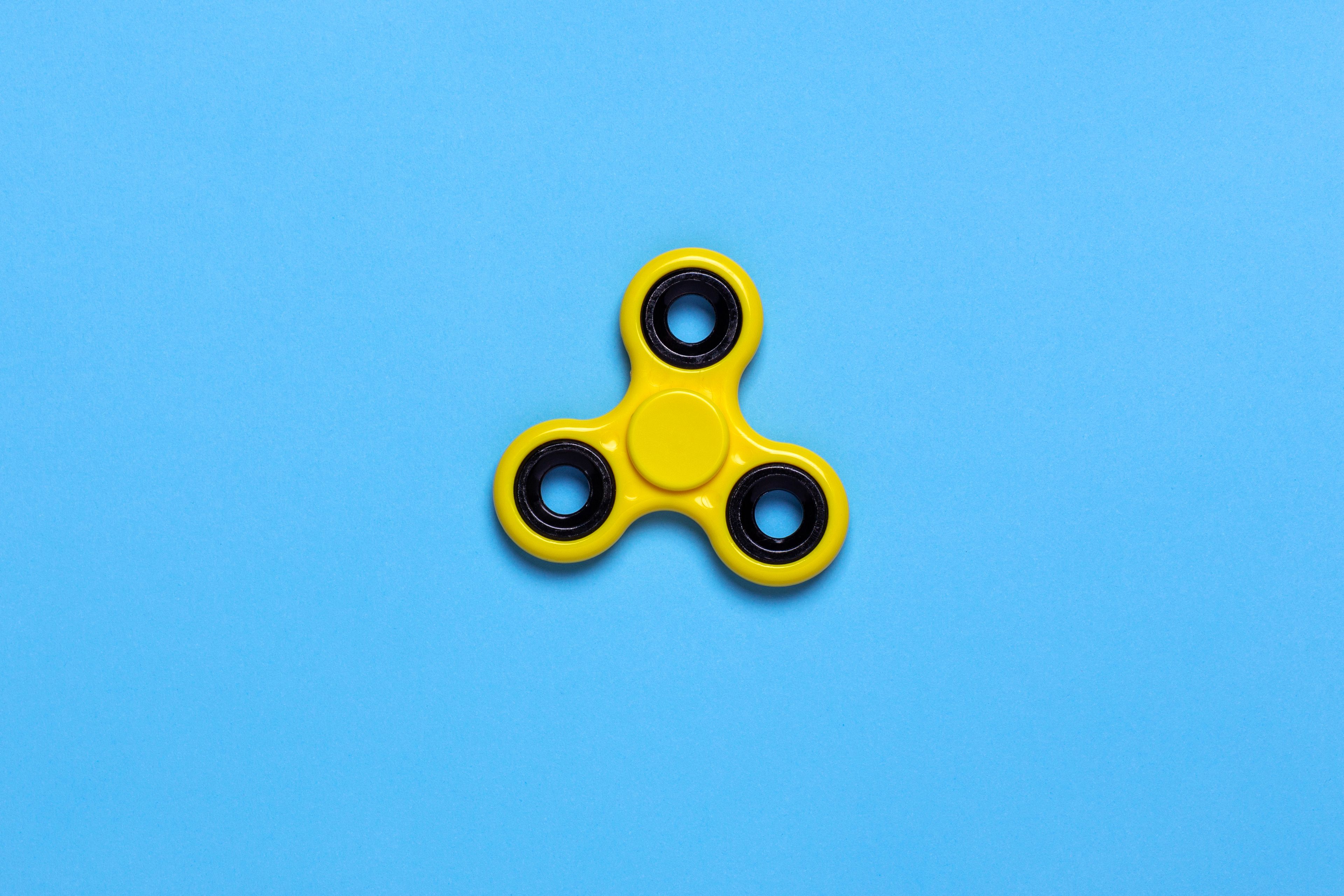
Fidgets and sensory tools are usually filed under "for kids". That is a mistake. Teenagers and adults have the same nervous systems, the same attention demands and often far less permission to move. A sensory tool is simply a way to give the body what it needs without derailing the room.
What Sensory Tools Are Actually For
A fidget does not fix attention and it does not remove overload. What it does is give the nervous system a small, steady input to work with. For some people that input keeps attention available for the task. For others it takes the edge off a sensory environment that is already too much.
That is a narrow purpose, and a useful one. It is also why a fidget that looks good in a photo can do nothing for you, while an elastic band on your wrist works for years.
Why Teenagers and Adults Get Missed
By adolescence, most neurodivergent people have learned to hide their regulation. The leg bouncing moves under the desk. The pacing happens on the phone, not in the meeting. The fiddling stops because it was corrected in Year 4 and never restarted.
What often replaces it is effort. Suppressing the movement does not remove the need, it just spends energy containing it. Adults frequently arrive at coaching describing exhaustion that has more to do with regulation than workload.
Types Worth Trying
Broadly, sensory tools fall into a few categories. The aim is to match the tool to the need, not to collect the most.
- Movement: a discreet fidget, a stress ball, a wobble cushion, standing for phone calls, short walks between tasks.
- Touch: textured jewellery, smooth stones, fabric edges, weighted lap pads, putty or slime at home.
- Oral: chewing gum, chewable jewellery, crunchy snacks, a water bottle with a straw. These are strongly regulating for some people and worth naming without embarrassment.
- Auditory: loop earplugs, noise-cancelling headphones, brown noise, background music with no lyrics.
- Visual and spatial: tidier sightlines, reduced screen clutter, low or warm lighting, a defined workspace.
How to Choose Well
Start with the problem, not the product. Notice the moment regulation falls apart: the last twenty minutes of a meeting, the crowded train, the start of homework. Then pick one tool that fits that moment and can be used without explanation.
Discretion matters more for adults and teenagers than for children. A tool you are self-conscious about will not get used, and an unused tool is not a support. Elastic bands, jewellery, gum, earplugs and a pen you like will out-perform a novelty fidget every time.
Give anything a fair trial. Two weeks of honest use tells you more than a review does.
What to Avoid
Anything that needs your eyes, your hands for the task, or constant fiddling to feel worthwhile is likely to cost more attention than it gives. And a fidget that becomes the distraction is no longer doing its job.
Be sceptical, too, of anything sold as a cure. These are regulation aids. They support attention and reduce load. They do not replace understanding your patterns, structuring your day, or getting the right accommodations at work or school.
One Last Thing
If you were told as a teenager to sit still, you may still be carrying that instruction. It is worth asking whether it was ever good advice. For many neurodivergent adults, using a sensory tool again for the first time in twenty years is a small relief they did not expect.
If you would like help working out what your own regulation actually needs, that is exactly the sort of thing coaching is for.